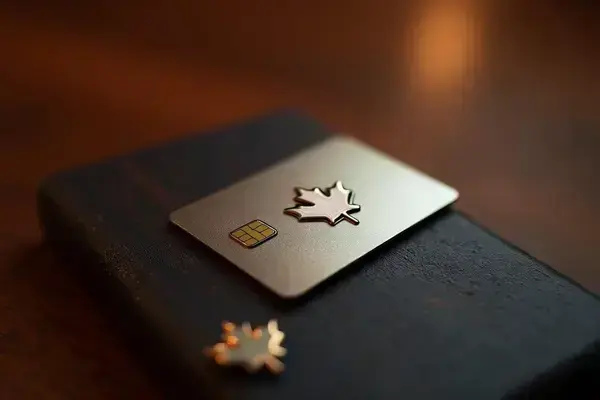
Best Credit Cards for Bad Credit in Canada
Anúncios
Imagine you’re trying to rebuild your credit but every financial door seems shut. It’s frustrating, isn’t it? Finding a credit card tailored for bad credit in Canada can feel like searching for a needle in a haystack.
When bad credit limits your options, everyday tasks like renting an apartment or applying for a loan get tougher and more costly. The stress adds up, and it’s easy to feel stuck in a financial rut with no clear way out.
But here’s the thing: by understanding your options, you can find the right tools to start improving your credit. This guide reveals the best credit cards for bad credit in Canada, arming you with the knowledge to make choices that boost your financial future. Ready to dive in?
Understanding Bad Credit And How It Affects Your Finances
Ever wondered why bad credit feels like an invisible barrier holding you back? It’s more than just a number—it impacts every financial choice you make. Credit scores in Canada typically range from 300 to 900, with anything under 600 considered poor by Equifax Canada. This low score signals to lenders that you might be a risky borrower, making credit cards harder to get and lending rates higher.
Picture this scenario: Jamie, a young professional, missed a few payments during a tough year. Now, when applying for a credit card, Jamie faces rejections or unaffordable interest rates. This scenario isn’t rare—bad credit often means higher costs and lost opportunities, like not qualifying for a mortgage or rental applications. The emotional toll? Stress, frustration, and the feeling of being stuck in a financial loop.
💡 Pro Tip: The Government of Canada recommends regularly checking your credit report through agencies like TransUnion or Equifax to understand your credit status and catch errors early.
Here’s the thing: bad credit isn’t permanent. By understanding how it affects your finances—from interest rates to credit approvals—you’re empowered to make smarter choices. Financial tools like secured credit cards or credit-builder loans become viable pathways to rebuild your score. This section sets the stage for recognizing the true impact of bad credit and steering towards solutions that actually work. What features should you target in these tools? That’s what comes next.
Key Features To Look For In Credit Cards For Bad Credit
What makes a credit card truly suited for someone with bad credit? It’s not just about getting any card—it’s about finding one with features that genuinely support rebuilding your financial reputation without trapping you in debt cycles.
In practice: think of Alex, who was tired of sky-high fees and low credit limits. After switching to a secured credit card with reasonable terms, Alex slowly saw improvements by managing spending and payments wisely.
First, look for a secured credit card option. This type requires a cash deposit as collateral, making approval easier for those with low credit scores. The deposit usually equals your credit limit, providing security for the issuer while you build credit.
Low fees are another must-have. Many bad credit cards come with annual or monthly fees that can add up fast. Choosing cards with no or minimal fees allows you to focus on rebuilding credit rather than paying unnecessary costs.
- Reporting to major credit bureaus: Ensure the card reports your payments and balances to Equifax and TransUnion. Without this, your credit behaviour won’t reflect in your score improvements.
- Reasonable interest rates: Although you shouldn’t carry a balance, a competitive interest rate minimizes costs if you ever do. Some cards have higher APRs, so compare carefully.
- Manageable credit limits: Cards that offer limits you can realistically manage help prevent overspending. Starting small is often better than getting a tempting high limit you can’t handle.
💡 Pro Tip: The Financial Consumer Agency of Canada recommends checking the fine print for fees tied to cash advances or late payments—these can sneakily increase your costs.
Comparison table of common features in bad credit cards
| Feature | Importance | What To Watch Out For |
|---|---|---|
| Secured Deposit | High – Enables Approval | Amount varies; impacts upfront cost |
| Annual Fee | Medium – Adds to Cost | Choose cards with $0 or low fees |
| Credit Reporting | Essential – Builds Credit Score | Must report to Equifax & TransUnion |
| Interest Rate (APR) | Medium – Affects Carryover Balances | Lower rates beneficial if balance carried |
| Credit Limit | Medium – Controls Spending | Should align with your budget |
Understanding these features helps you avoid common pitfalls and pick a credit card that works with your situation—not against it. But there’s one detail most users completely overlook until it’s too late…
Top Credit Card Options Available In Canada
Looking for the best credit card to rebuild your credit in Canada? The market offers several solid options tailored specifically for people with bad credit. But how do you choose the right one? It’s essential to weigh different cards’ features, fees, and approval requirements carefully.
In practice: consider Emily, who tried a few cards with varying success. The card she picked finally helped her improve her credit score because it matched her budget and reported regularly to credit bureaus.
Here’s a snapshot of three popular options that stand out:
| Credit Card | Key Feature | Pros / Cons |
|---|---|---|
| Capital One Guaranteed Mastercard | Secured card with low minimum deposit | Pros: Easy approval, reports to major bureaus Cons: Annual fee of $59 |
| Home Trust Secured Visa | Flexible deposit amount, no credit check | Pros: No credit history required, monthly fee $35 Cons: Higher interest rate |
| Refresh Financial Secured Visa | Credit-building focus with customizable deposit | Pros: Reports monthly, lower annual fee Cons: Deposit up to $4,999 required |
If you’re starting from scratch or aiming to rebuild, secured cards like these are your best bet. They offer financial control and real chances to improve your credit over time. Each card suits different needs—consider your deposit capacity and monthly fees carefully.
💡 Pro Tip: The Financial Consumer Agency of Canada stresses that secured cards typically offer better approval odds but watch out for fees that might outweigh the benefits if you’re not careful.
What about applying? We’ll cover the step-by-step process next, ensuring you’re fully prepared to submit your application with confidence.
Steps To Apply For A Credit Card With Poor Credit
Ever felt overwhelmed by the credit card application process, especially with poor credit? Here’s the truth: applying doesn’t have to be complicated or intimidating if you know the right steps.
In practice: Meet Sarah, who was nervous about applying for a credit card because of her low credit score. By following a clear plan, she not only got approved but started rebuilding his credit within months.
- Check Your Credit Report: Before applying, obtain your credit report from Equifax or TransUnion. This helps you understand your current status and spot any errors that could hurt your chances.
- Research Suitable Credit Cards: Focus on secured or credit-builder cards specifically designed for poor credit. Compare features like fees, interest rates, and credit limits.
- Gather Required Documents: You’ll typically need government-issued ID, proof of income (like pay stubs), and proof of residence. Having these ready speeds up the process.
- Fill Out The Application Carefully: Whether online or in-person, double-check all details before submitting. Mistakes can delay approval or cause rejections.
- Prepare For Deposit Or Fees: Secured cards require a refundable security deposit, which usually sets your credit limit. Some cards might charge application or annual fees—know them upfront.
- Wait For Approval: This can take anywhere from a few minutes (online apps) to several weeks. Use this time to plan how you’ll use the card responsibly.
💡 Pro Tip: The Financial Consumer Agency of Canada advises never to apply for multiple cards at once, as multiple credit inquiries can lower your credit score further.
Following these steps ensures you’re fully prepared and increases your chances of approval. What’s next? We’ll explore practical tips to make the most of your new credit card and improve your credit score.
Tips To Improve Your Credit Score Using Your Credit Card
Wondering how exactly you can use your credit card to boost your credit score? It’s a bit of an art and a science, but the good news is—you don’t need to be a finance expert to get it right.
Picture this scenario: Mark got his first secured credit card last year. Instead of maxing it out, he made small purchases and paid off the balance in full every month. Gradually, his score inched up, opening new doors for better financial products.
First things first, always aim to make your payments on time. Payment history makes up about 35% of your credit score according to Equifax Canada, which is the largest single factor. Even one missed payment can set you back significantly.
Next, keep your credit utilization low—that means using less than 30% of your available credit limit. It might be tempting to use more, but lenders see low utilization as a sign of responsible credit behaviour.
- Automate your payments to avoid forgetting due dates.
- Set reminders to check your balances regularly.
- Avoid closing old credit accounts as the average credit age influences your score positively.
💡 Pro Tip: The Financial Consumer Agency of Canada advises maintaining a mix of credit types, but if you’re rebuilding, focus on mastering one credit card before diversifying.
Quick Action Plan to Boost Your Credit Score
- Review your credit report from Equifax or TransUnion to check for inaccuracies.
- Make on-time payments consistently without fail.
- Keep your credit card balance below 30% of your limit.
- Use your card regularly but responsibly—small purchases work best.
- Monitor your credit score periodically to track progress.
Building a good credit score is a marathon, not a sprint. By consistently following these tips, you’re setting the stage for future financial freedom. What’s coming up next? Let’s explore the best real-world credit card choices for you.
Your Credit Journey Starts Here
If you take just one thing from this guide, let it be: using the right credit card responsibly is your best tool to rebuild bad credit in Canada. Understanding your options, applying wisely, and managing payments on time are key steps to better financial health.
Before reading this, you might have felt stuck or overwhelmed by bad credit. Now, you have a clear path forward. Small, consistent actions with the right credit card can slowly but surely improve your credit score. It’s about progress, not perfection.
Which tip will you try first to boost your credit score? Share your plans or questions in the comments — we’re here to support your journey!